
الطبيعة الخيرة أو الشريرة للكائن المستنسخ
- التفاصيل
- تم إنشاءه بتاريخ الإثنين, 27 نيسان/أبريل 2026 06:23
- كتب بواسطة: د.علي عبدالرحمن الزعاك
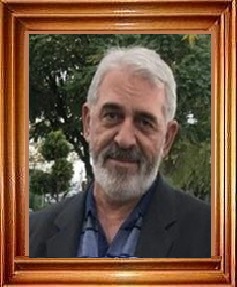
د.علي عبد الرحمن الزعاك
الطبيعة الخيرة أو الشريرة للكائن المستنسخ
يمكنك استنساخ حيوانك الأليف أو أي حيوان أخر، لكن لا يمكنك استنساخ روحه. فبعد عقود من استنساخ النعجة دوللي، تطور استنسال الحيوانات الأليفة من مجرد أعجوبة علمية إلى واقع تبلغ تكلفته حوالي 50 ألف دولار. ومع ذلك، تسلط النتائج الضوء باستمرار على جوهر الجدل القائم بين الفطرة والتنشئة (الطبيعة مقابل التربية): ما هو المقدار المكتوب من شخصية الفرد في حمضه النووي، وما هو المقدار الذي يصيغه الواقع؟ نحن نعلم الآن أن الشخصية ليست مخططاً ثابتاً، بل هي حوار حي بين الإرث الجيني والعالم الذي يشكله.
تشير الأبحاث إلى أن الاستنساخ ينجح في إعادة تكرار الفطرة الجينية أو الملامح الأساسية للحيوان. فغالباً ما تظهر الجراء المستنسخة، على سبيل المثال، مزاجاً أكثر استقراراً وقابلية للتنبؤ مقارنة بالكلاب غير المستنسخة، خاصة في كيفية تفاعلها مع البشر واستجابتها للتوتر. كما تميل السمات العامة، مثل النشاط الاجتماعي أو مستويات الحركة، إلى مضاهاة الحيوان الأصلي لأنها متجذرة بعمق في الوراثة الجينية..
ومع ذلك، فإن الحمض النووي ليس سوى نصف المعادلة، إذ يعود التباين البيولوجي بين المستنسخ والأصل الى علم التخلق ( Epigenetics ) وهو الآلية التي تتحكم في تشغيل الجينات أو إيقافها دون تغيير تسلسل الحمض النووي نفسه. حيث يمكننا اعتباره بمثابة الجسر البيولوجي بين البيئة والفرد، فتماماً كما تشكل بيئة رحم الأم ثم بيئة المجتمع سلوك الأطفال، تعمل هذه العوامل الخارجية كإشارات تخبر الجسم بضرورة إسكات أو تنشيط جينات معينة.
وهذا يفسر لماذا لا يعد السلوك الخير أو الشرير مجرد برنامج جيني معد مسبقاً. وهو ذات السبب الذي يجعل نسخة من قديس لا تصبح صالحة تلقائياً، كما لن يكون مستنسخ من مجرم محكوماً عليه بحياة الجريمة. فمثلما قد يرث الإنسان استعداداً لسرعة الغضب ولكنه يتعلم الصبر من خلال نشأة هادئة، فإن سلوك الكائن المستنسخ عبارة عن تفاوض مستمر بين فطرته وحياته. قد يمتلك المستنسخ إمكانات جينية لشخصية جريئة ومهذبة، لكن تجربة سلبية واحدة خلال نافذة نمو حرجة يمكن أن تغير كيفية التعبير عن حمضه النووي..
في نهاية المطاف، يُفهم المستنسخ بشكل أفضل ليس كالمثال الخيالي لتناسخ الأرواح التي تؤمن بها بعض الطوائف البوذية، بل مثل توأم متطابق وُلد في تاريخ لاحق لكن ينموان متميزين بتفضيلات مختلفة، وهكذا سيطور الكائن الأليف المستنسخ هويته الفريدة.
قد تنجح في استنسال الجسد المادي، لكنك لن تتمكن أبداً من نسخ التاريخ الخاص الذي علم الكائن الأصيل كيف يتعامل مع العالم.
***
The Good and Bad Nature of the Clone
You can clone your pet or an animal, but you cannot clone their soul. Decades after Dolly the sheep, pet cloning has evolved from a scientific marvel into a $50,000 reality cost. Yet, the results consistently highlight the core of the nature versus nurture debate: How much of an individual is written in their DNA, and how much is authored by life?
We now know that personality is not a static blueprint, but a living dialogue between genetic heritage and the world that shapes it.
Research suggests that cloning successfully replicates an animal's genetic nature or baseline. Cloned puppies often display more stable, predictable temperaments than non-cloned dogs, particularly in how they interact with humans and respond to stress. Broad traits, such as general sociability or activity levels, tend to match the original animal because they are heavily influenced by genetic inheritance.
However, DNA is only half the equation. The biological divergence between a clone and its original is driven by epigenetics, the mechanism that controls how genes are switched "on" or "off" without altering the DNA sequence. We can consider epigenetics as the biological bridge between the environment and the individual. Just as the mother womb and the society shape children's behaviour, external factors act as signals that tell the body to silence or activate certain genes.
This explains why "good" or "bad" behaviour isn't just a pre-set genetic program. It is the same reason a clone of a saint wouldn't automatically be righteous, nor would the clone of a criminal be destined for a life of crime. Much like a human might inherit a predisposition for a quick temper but learn patience through a calm upbringing, a cloned animal's behaviour is an ongoing negotiation between its nature and its life. A clone might have the genetic potential for a bold, well-behaved personality, but a single negative experience during a critical development window can change how its DNA is expressed.
Ultimately, a clone is best understood not as a reincarnation, but as an identical twin born at a later date. Just as human twins grow into distinct individuals with different preferences, a cloned animal will develop its own unique identity. You may replicate the physical vessel, but you cannot copy the specific history that taught the original how to navigate the world.
(Inspired by: https://www.nationalgeographic.com/animals/article/pet-cloning-personality )
The diagram illustrates how epigenetics acts as the bridge, the light switch, between our inherited DNA and the lived experience that ultimately defines a unique individual.

يوضح الرسم كيف يعمل الايبيجنتك (التخلق) كجسر، أو أزرار الكهرباء والضوء، بين حمضنا النووي الموروث والتجربة الحية التي تحدد في النهاية الفرد الفريد.


أطفال الگاردينيا


مقالات متميزة


حكاية صورة


جولة في أشهر المتاحف والمواقع


تراث وتاريخ


شخصيات في الذاكرة العراقية


إذاعة وتلفزيون


الساعة حسب توقيت مدينة بغداد


زمن الماضي الجميل


أيام وذكريات


فى ربوع العراق


الطرب الأصيل

الأبراج وتفسير الأحلام

المتواجدون حاليا
1286 زائر، ولايوجد أعضاء داخل الموقع
اخر الاخبار
- هل تزاوج ابناء آدم (ع) مع انسان النياندرتال ؟!
- ليس محمد صلاح .. أجمل مدربة تركية تختار اللاعب الذي تحلم به في فريقها
- الاستاذ سعيد حامد الحاج سعيد ١٩٤٣ - ٢٠٠٦ المربي الفاضل والمناضل القومي والمدير العام للتربية السابق في محافظة نينوى
- داخل جدار.. الشرطة الإيطالية تعثر على ٣.٢ مليون يورو
- الساحل الغربي .. "تحول" في طبيعة الدعم الإيراني للحوثيين
- فضيحة مالية في تركيا تطيح نائبة رئيس الحزب الحاكم
- لماذا رفض ترامب عرض إيران؟.. واشنطن توضح الأسباب
- ثقافة تحت الإبط
تابعونا على الفيس بوك